
Introduction
Socks are one of the most overlooked items in any wardrobe.
Most people buy them quickly, wear them daily, and rarely think about them again until they develop holes, lose elasticity, or become uncomfortable.
But small mistakes with your socks can affect everything from comfort and hygiene to durability and overall footwear performance.
The good news is that most sock problems aren't caused by expensive shoes or foot issues they're caused by simple habits that are easy to fix.
In this guide, we'll uncover seven surprisingly common sock mistakes people make and show you how a few small changes can improve comfort, extend sock life, and even save money over time.
Mistake #1: Buying Multipacks Without Checking the Material
While this seems like a smart purchase, the material composition often tells a different story.
What Happens?
Some low-cost socks contain high amounts of synthetic fibers with minimal breathable materials.
This can lead to:
Reduced comfort
Faster wear
Less breathability
Poor moisture management
What to Do Instead
Before buying, check:
Cotton percentage
Reinforcement zones
Stretch content
Washing instructions
Pro Tip
A smaller number of high-quality socks often lasts longer than multiple cheap packs.
Mistake #2: Wearing New Socks Without Washing Them
Most people wear brand-new socks straight out of the package.
Why This Matters
Manufacturing, packaging, storage, and shipping can leave behind:
Dust particles
Finishing chemicals
Residual dyes
Better Practice
Wash new socks before first use.
This helps:
Improve softness
Remove residues
Enhance comfort
Mistake #3: Overloading the Washing Machine
This mistake shortens sock lifespan significantly.
What Happens?
Heavy loads create friction between garments.
The result:
Loose elastic
Fabric pilling
Faster deterioration
Better Practice
Wash socks with similar fabrics and avoid overcrowding the machine.
Mistake #4: Using High Heat for Drying
Heat is one of the biggest enemies of sock elasticity.
Signs of Heat Damage
Socks lose shape
Elastic bands stretch out
Fabric becomes rough
Better Practice
Air drying or low-heat drying helps preserve:
Elasticity
Shape retention
Fabric quality
Mistake #5: Keeping Old Socks "Just in Case"
Everyone has that drawer.
The one full of socks with:
Tiny holes
Loose cuffs
Thin soles
The Hidden Problem
Worn socks no longer provide the support, cushioning, and fit they once did.
Replace Socks When You Notice
Holes
Thinning fabric
Stretched elastic
Persistent discomfort
Mistake #6: Ignoring Seasonal Needs
Many people wear the same socks year-round.
Summer Needs
Lightweight
Breathable
Moisture-friendly
Winter Needs
Insulating
Warmer fabrics
Enhanced cushioning
Why It Matters
Matching socks to weather conditions improves comfort significantly.
Mistake #7: Not Building a Sock Wardrobe
Most people own only one type of sock.
Why That's a Mistake
Different activities require different features.
Ideally, Your Collection Should Include
Everyday Socks
For work and casual use.
Athletic Socks
For training and workouts.
No-Show Socks
For sneakers and casual shoes.
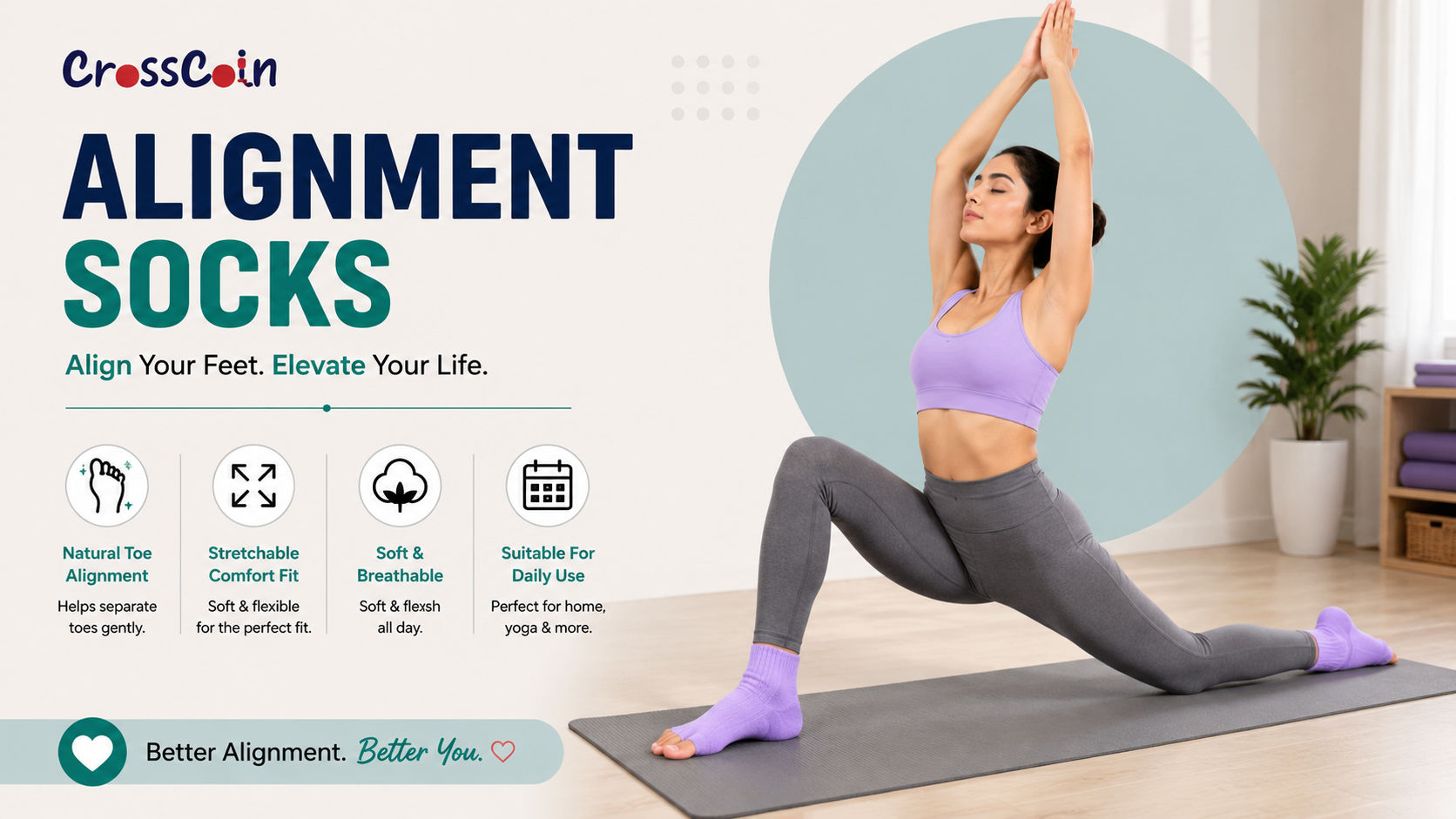
Five-Toe Socks
For toe separation and comfort.
Travel Socks
For long days and extended wear.
Just like you wouldn't own only one pair of shoes, you shouldn't rely on one type of sock for every situation.
Expert Perspective: Why These Mistakes Matter
According to foot health experts and organizations such as the CDC and APMA, proper foot care starts with maintaining a clean, dry, and comfortable environment.
While socks seem simple, they directly influence:
Moisture management
Friction levels
Foot comfort
Overall foot hygiene
Small improvements in sock selection and care can create noticeable improvements in daily comfort.
A Simple 30-Day Sock Upgrade Challenge
Try these changes for one month:
Replace worn-out socks
Wash new socks before use
Avoid high-heat drying
Organize socks by activity
Choose quality over quantity
Most people notice improvements within weeks.
Frequently Asked Questions
How often should socks be replaced?
Most daily-use socks should be replaced every 6–12 months depending on wear frequency.
Is air drying socks better?
Yes. Air drying helps preserve elasticity and fabric quality.
Why do my socks lose shape?
Excessive heat during drying and frequent overloading during washing are common causes.
Should new socks be washed before wearing?
Yes. Washing removes manufacturing residues and often improves softness.
How many pairs of socks should I own?
Most people benefit from having separate socks for work, casual wear, sports, and travel.
Conclusion
Most sock problems aren't caused by the socks themselvesthey're caused by habits.
By avoiding these seven common mistakes, you can improve comfort, extend the life of your socks, and get more value from every pair you buy.
A few small changes today can save money and make every step feel better tomorrow.
Find Your Perfect Sock Match
Ready to upgrade your sock drawer?
Explore premium cotton socks, five-toe socks, and everyday comfort collections designed for durability, breathability, and all-day wear.
Better Materials
Better Comfort
Better Value
Better Everyday Experience
Shop the Collection Today.